Socio-legal Scholarship
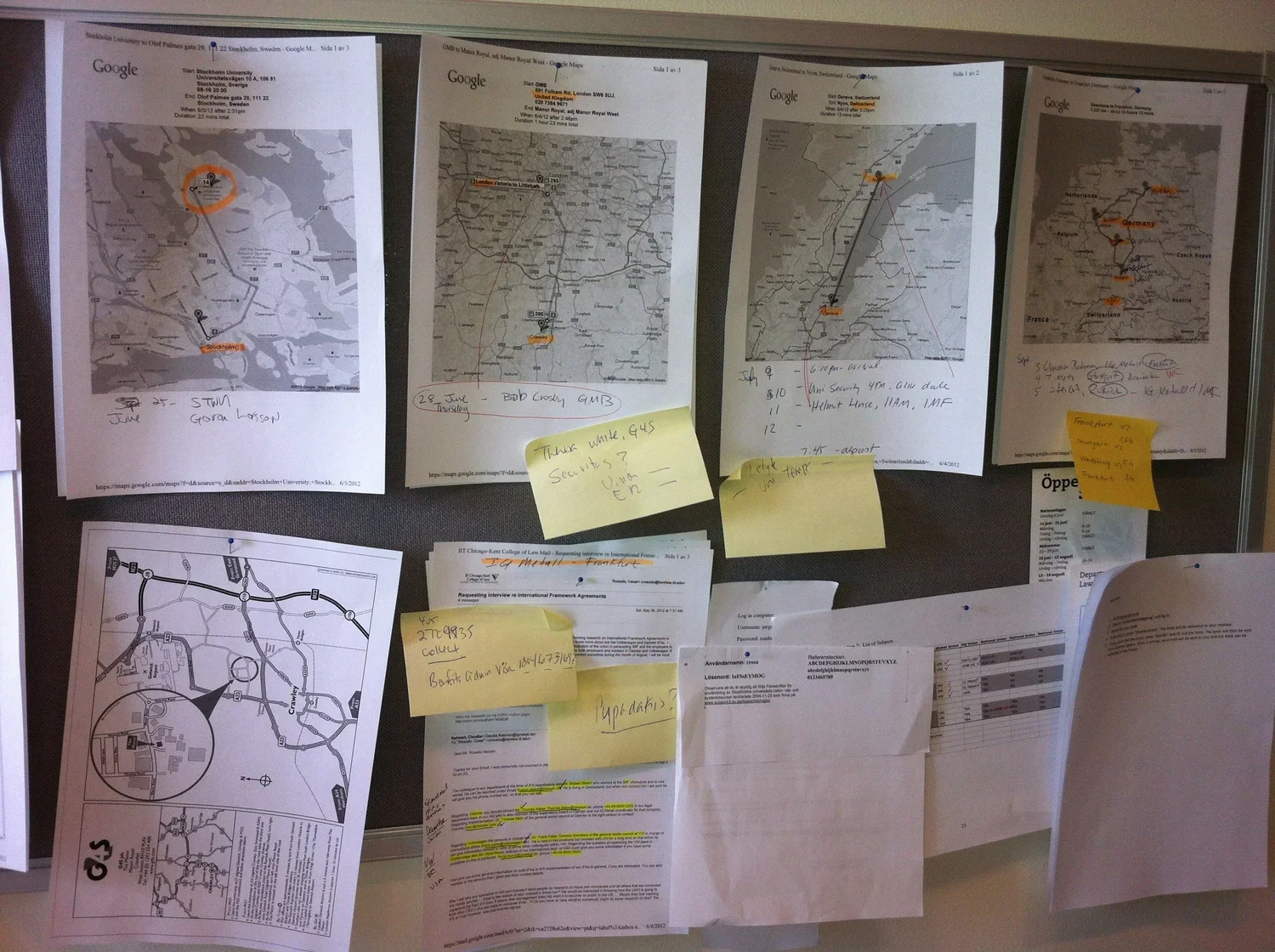
How do labor judges and inspectors persuade workers to settle their claims? How do multinational companies and worker representatives implement global agreements to promote workers’ rights to organize? Because these questions concern how law works "in action," I cannot find answers in law books alone. I must engage in socio-legal research.
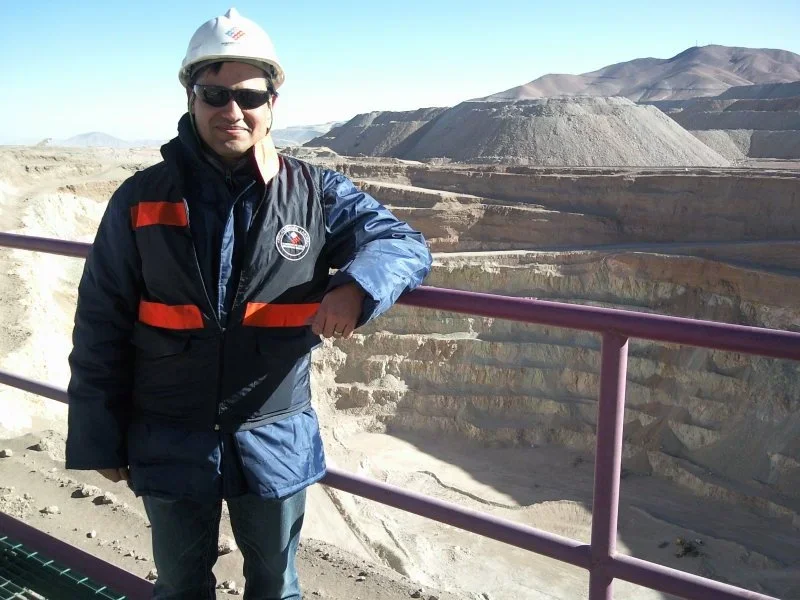
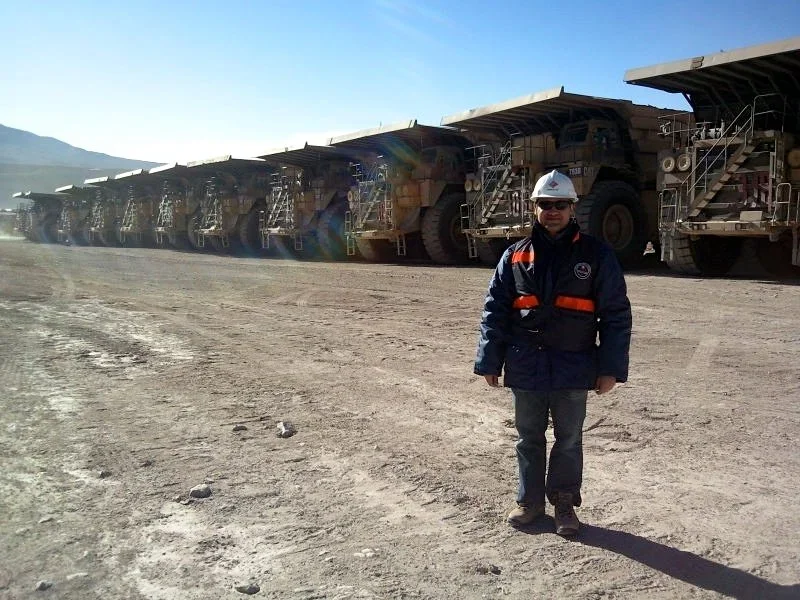
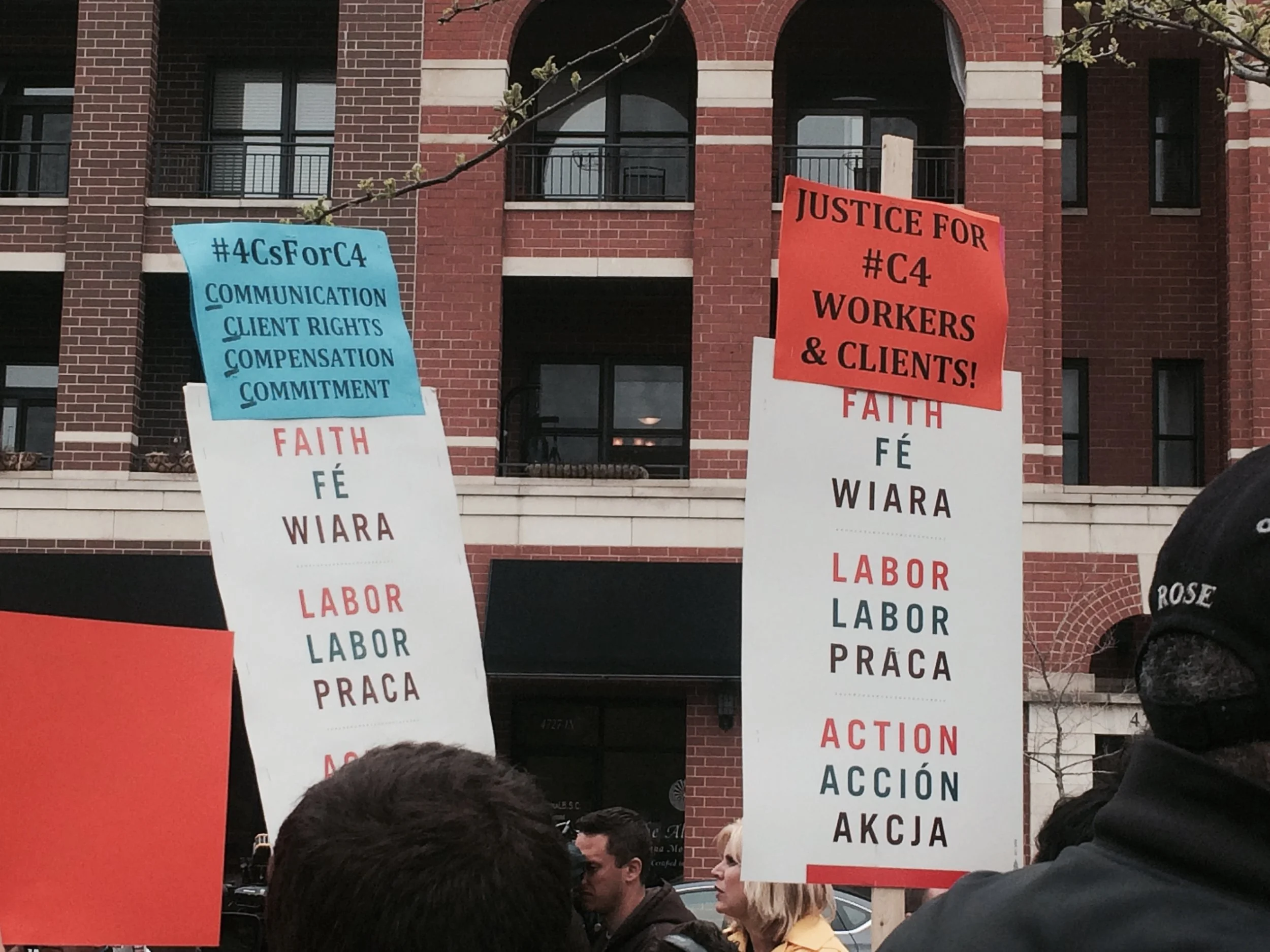
My scholarship thus also draws on elite interviews with actors who possess specialized knowledge—such as company officials implementing private agreements—and ethnographic fieldwork based on participant observation. This immersive approach requires spending significant time in settings where I can understand how law operates on the ground. I have conducted this research at Chile's labor inspectorate and labor courts, following inspectors to copper mines, agricultural fields, and other workplaces. I also served as an organizer at Arise Chicago, a worker center, to learn how the organization advocated for workers without the resources of a traditional labor union.
Below is a list of my socio-legal publications. Some report original research; others analyze secondary data or set theoretical and research agendas.
Labor, Alt-Labor, and their Institutions
“Personal and Political: How the Illinois Domestic Workers' Bill of Rights Connected Lives,” (2024) 57 UC Davis Law Review 3033-3062.
“Fair Transition Funds, Employer Neutrality, and Card Checks: How Industrial Policy Could Relaunch Labor Unions in the United States,” in Todd Tucker ed., Bringing the State Back In (Again) (Roosevelt Institute, 2024)
Wage Boards and Sectoral Bargaining
Winner of “Honorable Mention 2021,” Colegio de Abogados y Abogadas de Puerto Rico
Labor Inspection and Labor Courts
International Framework Agreements / International Labor Rights
Puerto Rico Labor
Cited in dissenting Puerto Rico Supreme Court opinion, González v. Mayagüez Resort & Casino, (2009) 176 D.P.R. 848, 877 (2009).